

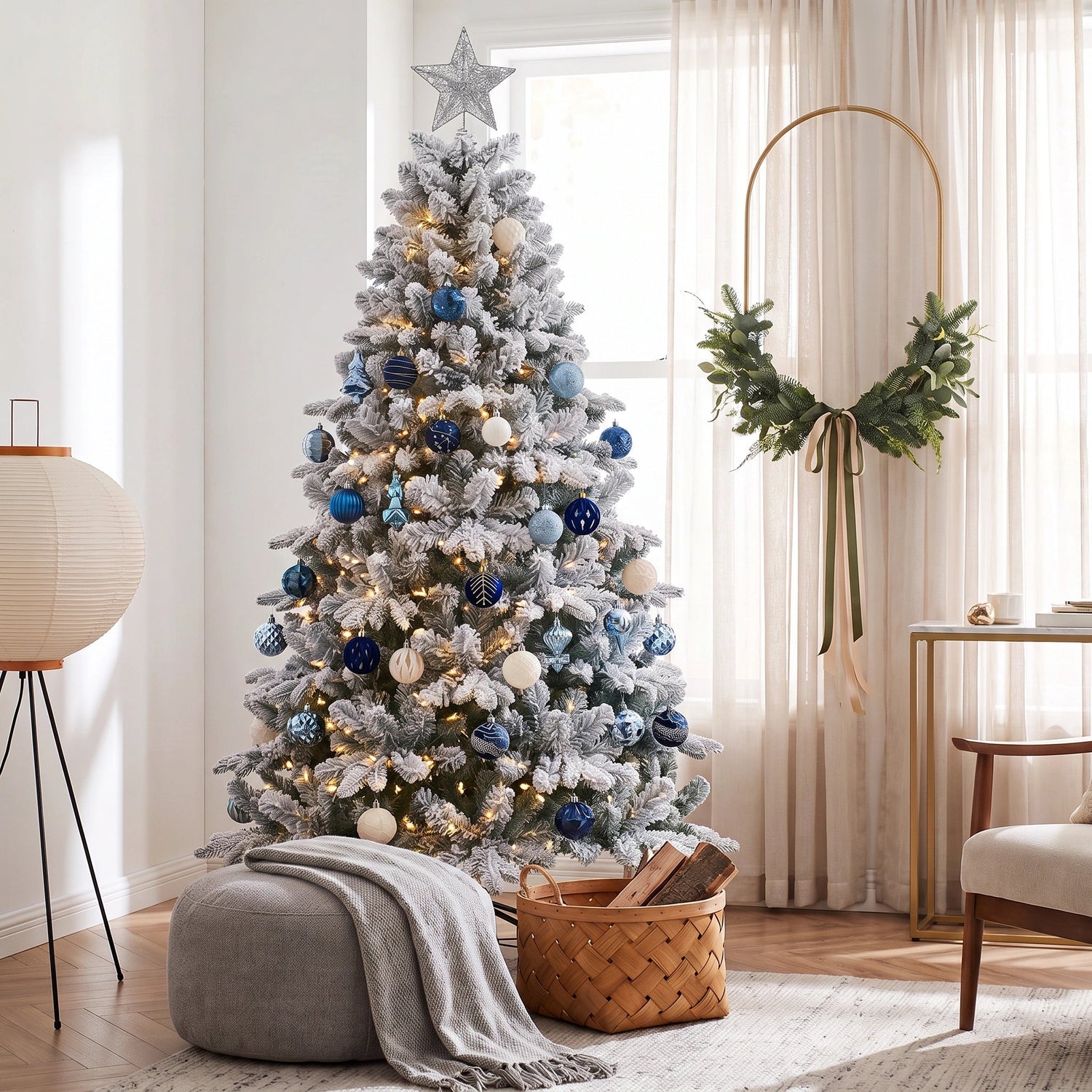
Christmas trees are rarely chosen on looks alone. In Singapore homes, the better question is whether the tree fits the room, the storage cupboard, and the decorating style already in place. A good artificial Christmas tree should feel easy to set up, simple to store away, and balanced in proportion to the space around it. This guide walks through the main types of artificial Christmas tree styles, sizing choices, lighting options, and decorating considerations so the decision feels clearer before anything is bought or unpacked.
Artificial Christmas Trees: What to Consider Before You Buy
The most successful tree choice starts with the room, not the product photo. Height, width, and storage needs shape how comfortable the tree feels once it is inside the home. An artificial christmas tree is often the practical choice because it can be reused, keeps its shape from year to year, and avoids the mess of shedding needles. That predictability matters in compact Singapore apartments as much as it does in larger homes. Before comparing finishes or branch density, it helps to think through where the tree will stand, how much visual presence it should have, and how easily it can be stored after the holidays. From there, the decision becomes much easier to narrow down.
Different Types of Artificial Christmas Tree Styles
Artificial christmas trees come in several different types of profiles, and each one changes how the room feels. Full trees create a traditional, lush look; slim and pencil shapes reduce visual bulk; tabletop versions work well for small surfaces; pre-lit trees cut setup time; and pop-up styles are designed for speed and convenience. For compact apartments, the main advantage is not just size but ease of movement around the tree. In open living rooms, a fuller silhouette can anchor the space and make the decorations feel more intentional. The best style depends on whether the goal is a dramatic centrepiece, a subtle festive accent, or a fast setup that does not require a long decorating session.
| Style | Best For | Main Trade-Off |
|---|---|---|
| Full | Larger rooms, classic look | Needs more floor space |
| Slim | Compact corners, apartments | Less surface for layered décor |
| Pencil | Narrow walkways, very tight areas | More vertical than substantial |
| Tabletop | Desks, sideboards, small displays | Limited decoration scale |
| Pre-lit | Busy households, faster setup | Less lighting customisation |
| Pop-up | Quick seasonal decorating | Fewer styling options |
Slim Christmas Tree vs Full Tree
Width changes everything about how a tree sits in a room. A slim christmas tree takes up less floor space, which makes it easier to place beside a sofa, near a window, or in a corner that would otherwise feel awkward. A full tree, by contrast, spreads outward and creates a more traditional focal point, especially in rooms with enough clearance for people to walk around it comfortably. Slim designs are usually the better fit for tight layouts, while full trees suit homes that want a richer, more layered appearance. The key trade-off is simple: slimmer profiles save space, while fuller profiles give more volume for a classic festive effect.
Pre-Lit, Unlit, and Pop-Up Options
Setup effort often decides whether the tree gets enjoyed or feels like a chore. Pre-lit trees are popular because the lights are already attached, which reduces tangling and saves time during assembly. Unlit trees offer more freedom, especially if a particular colour scheme or bulb style is planned. Pop-up trees go further on convenience, making sense for fast decorating or homes that need the tree up and down with minimal fuss. Pre-lit options are the easiest route for many households, but they reduce flexibility if a different lighting mood is wanted later. Pop-up versions are practical, though usually less detailed in appearance than traditional assembled trees.
Choose the Right Tree Size for Your Space
Room measurements should come before style preferences. Ceiling height, floor width, and even the path from the doorway matter because a tree has to enter, stand, and still leave room for furniture and movement. Leaving extra space above the tree for a tree topper keeps the proportions right, while space around the base makes room for gifts without crowding the walkway. In smaller homes, the wrong size can make the whole room feel compressed. In taller rooms, a tree that is too short may disappear visually. It also helps to measure hallways, lift access, and storage areas, since an artificial christmas tree still has to be carried out and stored away after the season ends.
How Tall Should It Be?
Tree height should always be matched to ceiling clearance rather than guessed from memory. A practical rule is to leave enough space for the topper and a little breathing room at the top so the tree does not feel squeezed. Standard rooms usually work best with mid-height trees that feel festive without dominating the space. Homes with higher ceilings can support taller trees that look more dramatic and balanced from a distance. A smaller tree can still feel striking if it is placed on a sturdy base or styled well with lighting and ornaments. The real goal is proportion, not maximum height.
How Wide Should It Be?
Width affects both comfort and layout. A wide tree can look impressive, but it may block movement, push furniture out of place, or require a larger decorating radius than expected. Narrower trees are easier to fit beside consoles, dining areas, or entry spaces where traffic flow matters. The wider the tree, the more decorations it often needs to look complete. A slimmer profile can be easier to style in a clean, modern way, especially when the room already has a lot going on. Visualising the footprint on the floor before choosing helps avoid surprises later.
Pick the Best Shape and Profile for Your Room
Profile changes the mood of the room as much as size does. Narrow silhouettes can feel elegant and controlled, tapered shapes often look refined, and fuller trees bring a more traditional, generous presence. A tree with a strong profile works best when the room has enough space for it to stand out naturally. In more compact layouts, a softer or slimmer shape keeps the festive look without overwhelming nearby furniture. Shape also affects how the eye moves around the room, so it should match ceiling height, wall distance, and how much foot traffic passes by the tree. The right profile feels intentional rather than crowded.
When a Slim Christmas Tree Makes Sense
A slim christmas tree is especially useful in narrow rooms, apartments, and corners that cannot handle a wider silhouette. It can still look full if the branch density is good and the spacing is even from top to bottom. This makes it a smart option for homes that want a festive display without adding visual clutter. Slim designs are also easier to pair with modern furniture because they keep the room feeling open. When the goal is to add holiday atmosphere without sacrificing circulation space, the slim shape is often the most practical choice.
Compare Lighting Options and Setup Time
Lighting changes both the look and the effort involved in decorating. Trees with led lights already built in are quicker to set up and usually reduce the hassle of wrapping strands evenly around the branches. Unlit trees take more time, but they allow complete control over colour, brightness, and styling direction. For some households, that flexibility is worth the extra effort. For others, especially busy families or smaller homes with limited storage time, built-in lighting is the easier solution. Lighting also affects long-term use because attached components may need more careful handling during storage, while unlit trees remain simpler to pack and refresh each year.
LED Lights vs Traditional Decorating
Built-in lighting changes the process from the start. With led lights already integrated, the tree often looks polished faster and with less wiring visible. That can be helpful for people who want a consistent glow without spending time adjusting separate strands. Traditional decorating with an unlit tree gives more freedom to choose bulb shape, colour temperature, and placement, which can suit a more customised look. In practical terms, pre-lit trees are usually better for busy households that value speed and neatness, while unlit trees suit decorators who like to change themes from year to year.
Match the Tree to Your Decorations
The tree should support the decorations rather than compete with them. Branch strength matters if heavier ornaments, ribbon, or a large tree topper will be used. Spacing between branches also affects how layered the finished look appears, especially when multiple textures are planned. Full trees can usually handle denser decorations and more colour, while slimmer trees often look better with a lighter, cleaner styling approach. The colour and fullness of the tree also influence whether metallic, traditional, or minimal décor feels balanced. A well-matched tree makes the ornaments look deliberate instead of crowded.
How Tree Decorations Change the Look
Minimal décor tends to work best on slender trees because it keeps the silhouette elegant. A few well-placed ornaments, some ribbon, and a simple topper can be enough. Fuller trees, on the other hand, can carry more layers, more colour, and stronger texture without losing shape. That makes them a better match for families who enjoy a richer decorating style or who already own a larger collection of tree decorations. Choosing the right tree is really about deciding how much visual weight the décor should carry.
Think About Storage, Durability, and Reuse
An artificial tree earns its value over time, so storage and durability matter almost as much as appearance. A tree that folds down neatly and can be stored away without damage will feel far easier to use again next season. Strong hinges, sturdy branches, and a reliable base all help the tree last longer. Reusable trees usually offer better value because the cost is spread across several holidays instead of one. In smaller homes, storage space is often the deciding factor, so it is worth thinking about whether the tree can fit into a protective bag or a compact cupboard with minimal compression.
What to Check Before It Is Stored Away
Before the tree is packed up, foldability and branch design should be checked first. Hinged branches usually make takedown simpler, while a stable base helps prevent bending or breakage. Compact storage matters in Singapore homes where shared closets and limited utility space are common. It also helps to choose materials that resist dust and wear, so the tree still looks presentable after being stored away for months. A well-built tree should feel like a repeat investment, not a one-season decoration.
How to Choose the Best Artificial Christmas Tree Overall
The best choice usually comes down to four things: space, shape, lighting, and décor style. A tree should fit the room comfortably, suit the way the home is decorated, and be easy to set up and store away. For many Singapore households, the ideal artificial christmas tree is the one that balances looks with convenience instead of chasing the biggest size or the fullest branch count. Before deciding, check the measurements one more time, think about how much decorating effort feels realistic, and choose the style that fits the home all season long.

Leave a comment
This site is protected by hCaptcha and the hCaptcha Privacy Policy and Terms of Service apply.