

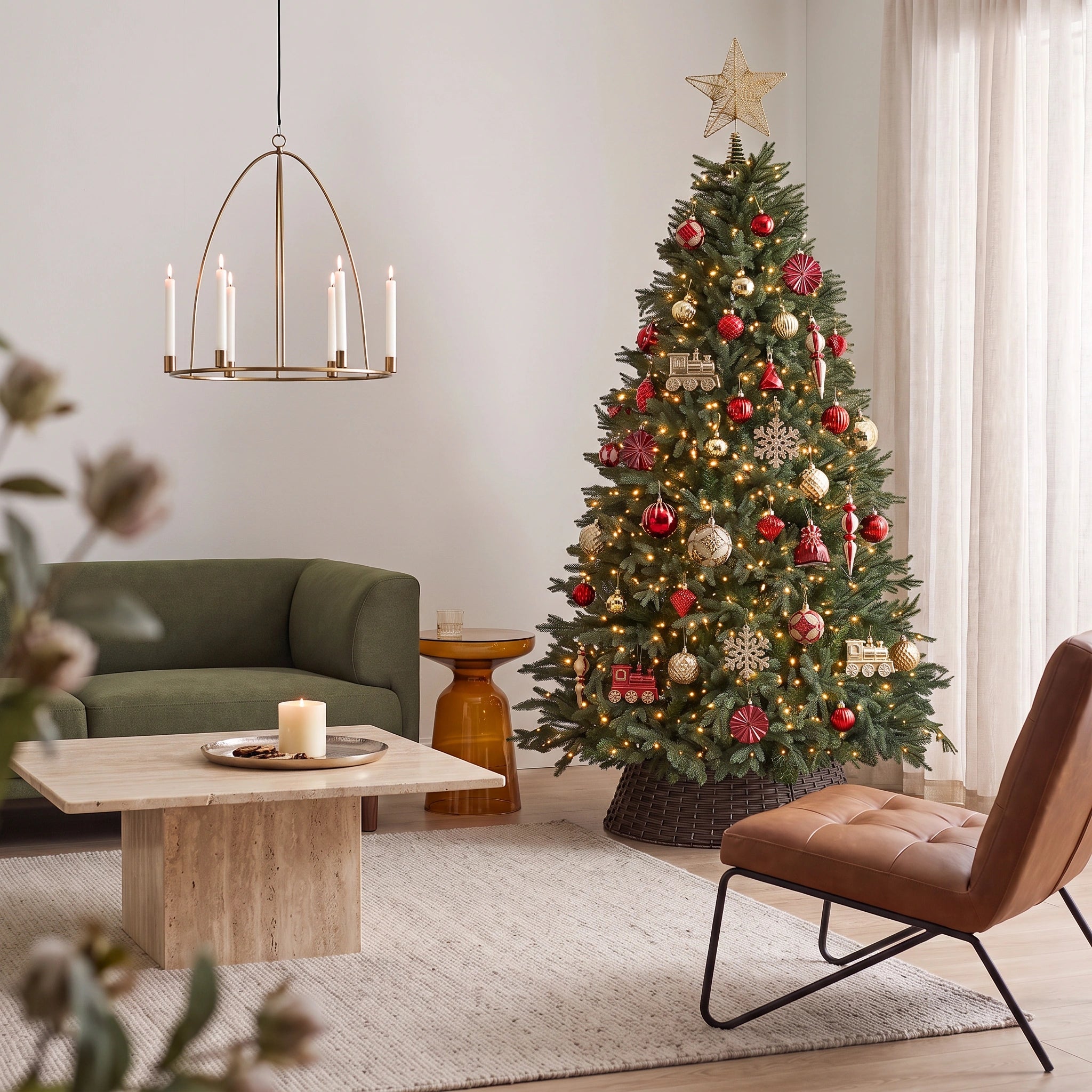
Artificial Christmas trees have become the default choice for many Singapore homes because they solve several seasonal problems at once: less mess, less repeat spending, and far easier setup in compact living spaces. The better artificial trees also look convincing enough to anchor a living room, while still packing away neatly after the festive period. Choosing the right christmas tree, though, still takes a bit of comparison. Shape, lighting, materials, and price all affect how well a tree fits the home and how long it stays useful.
Why Artificial Christmas Trees Are a Smart Buy
For many buyers, artificial christmas trees make sense because they remove the yearly scramble for a fresh tree and the upkeep that comes with it. There is no watering, no dropped needles, and no rush to dispose of it after the holidays. A good artificial tree can be reused for years, which often makes the higher upfront cost easier to justify. Realism has improved too, so shoppers can choose between simpler styles and more lifelike artificial trees. The main trade-off is storage space, so the best purchase balances appearance, durability, and convenience.
Types of Artificial Christmas Trees
Store shelves and online catalogues usually group artificial christmas trees by shape, finish, and lighting. Classic full trees remain popular for a traditional festive look, while realistic versions use mixed branch tips and varied needle textures to mimic the shape of a fresh christmas tree. Slim trees are made for smaller apartments, hallway corners, and dining areas where floor space is limited. Flocked trees create a snow-dusted look that suits winter-themed styling, even in warm climates. Prelit options save setup time, while unlit versions give more decorating freedom. Shoppers wanting something unusual will also find specialty designs such as feather, brush bristle, or metallic styles.
Realistic, Full, and Slim Tree Profiles
Shape changes both the visual effect and how easily the tree fits into a room. Full trees feel more dramatic and give ornaments plenty of surface area, while slim profiles are easier to place in apartments and tighter living rooms. Branch density also matters because denser trees usually hold lights and decorations more evenly.
Prelit, Flocked, and Specialty Designs
Prelit trees are convenient for buyers who want a faster setup and consistent lighting. Unlit versions suit people who prefer complete control over bulb colour and placement. Flocked finishes soften the look and pair well with silver, white, or muted decor. Specialty designs work best for homes that want a standout christmas tree rather than a classic one.
How to Choose the Right Size and Shape
Size decisions go beyond height alone. In Singapore homes, width often becomes the real limiting factor, especially in apartments where the tree must sit near furniture, walkways, or a TV console. Start with ceiling height, then check the actual footprint of the room. A tree that looks manageable in a product photo can feel oversized once branches are fully opened. Shape also affects how easy it is to decorate; broader trees allow more room for ornaments, while narrower ones keep circulation clear. First-time buyers usually avoid disappointment by measuring the intended spot before looking at styles, not after.
Measure Height, Width, and Clearances
Leave room for a topper and enough clearance so the tree does not press against the ceiling. Measure the exact floor area before checkout, including the base and the spread of the lower branches. That small extra width often determines whether the tree fits comfortably or feels cramped.
Match the Tree to Your Room Layout
Corner placement works well for slimmer artificial christmas trees, while wall placement can support a fuller profile without blocking movement. Center-room placement needs stronger balance and better finishing on all sides. In smaller homes and apartments, slim designs save space. In larger living rooms, fuller trees create stronger impact and feel more festive.
Materials, Realism, and Build Quality
The most noticeable quality differences usually come from the materials and the way the branches are built. Many artificial christmas trees use PVC for volume and PE for more realistic tips, and the best results often combine both. Mixed construction helps the tree look fuller without losing natural detail. Needle texture, branch layering, and colour variation all influence how convincing the final shape appears. Build quality also affects how easy the tree is to shape after unpacking and whether it still looks neat after several seasons. A sturdy tree may cost more, but it tends to hold up better when packed away, moved, and reopened each year.
What Makes a Tree Look Realistic
Realistic trees usually rely on layered branches, varied needle shapes, and subtle colour differences. Mixed branch styles often look more natural than a single uniform material. Buyers scanning photos online should look for close-up shots that show the tip shape, depth, and density.
Check Stands, Hinges, and Branch Strength
Strong hardware makes setup less frustrating and gives the tree better stability once decorated. Easy-open hinges save time, and a solid stand reduces wobble. Branch strength matters too, because heavier ornaments need support without sagging. That is especially useful for larger baubles and layered décor.
Prelit vs Unlit Artificial Christmas Trees
Lighting choice affects both the experience of setting up the tree and the final look. Prelit artificial christmas trees are faster to assemble because the lights are already integrated, which suits busy households and repeat yearly use. The downside is that bulb failures can take more effort to manage, especially if the light string is deeply woven into the branches. Unlit trees take longer to decorate but offer more control over the colour, spacing, and style of the lights. They can also be simpler to store in some cases. For buyers balancing budget, convenience, and creative freedom, the right choice usually comes down to whether speed or flexibility matters more.
When a Prelit Tree Makes Sense
Prelit trees work well for buyers who want a faster setup and a neat, uniform lighting effect. They suit households that reuse the same decorations every year. Light colour and bulb type still matter, especially if the goal is warm ambience rather than a brighter display.
When to Choose an Unlit Tree
Unlit trees give more control over the final style and are easier to customise for changing decor themes. They also make bulb replacement simpler in some cases. Shoppers who enjoy detail work often prefer unlit versions because they can layer lights exactly as they like.
Price Ranges and Value for Money
Artificial christmas trees are sold across a wide price spectrum, and the jump in cost usually reflects size, realism, and added convenience. Entry-level models are often simpler in construction and finish, while mid-range trees usually balance appearance, sturdiness, and lifespan. Premium options may include denser branches, better materials, and integrated lighting. A higher price does not always guarantee the best value, though. The better question is how long the tree will stay useful and how much setup time it saves each year. For many buyers, long-term value matters more than getting the lowest initial price. That mindset usually leads to a better fit.
What Affects the Price of Artificial Trees
Size, material quality, lighting, and realism all push pricing upward. Denser trees and premium finishes usually cost more because they use more material and look more refined. Prelit models also cost more than unlit versions because of the added electrical components.
How to Set a Budget That Works
Pick a budget before browsing so it is easier to compare like with like. Consider storage life against yearly replacement cost, especially if a tree will be used for many seasons. A mid-range tree often offers the best long-term value because it balances appearance and durability without overspending.
Shopping Tips Before You Buy
Before ordering or visiting a showroom, check the details that are easy to miss in a product name. Photos should show the tree fully shaped, not just compressed in the box. Reviews can reveal whether the branches spread well, whether the stand feels stable, and whether the actual height matches the listing. It also helps to confirm return terms, warranty coverage, and whether accessories such as lights or toppers are included. For in-person shopping, inspect how the branches feel and whether the tree looks full from different angles. Those small checks prevent the common problem of a tree looking great in a listing but underwhelming at home.
What to Check Online or In Store
Verify actual product photos, detailed dimensions, and the stated materials before buying. Customer reviews and seller reputation matter because they often reveal setup quality and after-sales support. Delivery, assembly, and return terms should be clear before checkout.
Tips for Choosing from Masons Home Decor
Masons Home Decor can be a useful example of a specialist retailer because shoppers can compare showrooms, realistic photos, and a focused product range in one place. That makes it easier to judge whether a christmas tree suits the room and how it compares with other home styling pieces in the same space.
Quick Checklist for Choosing the Best Tree
Before adding a tree to cart, run through the basics one more time. Confirm the room height, floor width, and the clearance needed for a topper. Decide whether the home needs a slim profile, a fuller profile, prelit convenience, or the flexibility of an unlit version. Check the materials for realism, branch strength, and long-term durability. Compare price against how many seasons the tree is likely to last. If the tree fits the room, matches the decorating style, and stays within budget, the purchase is probably the right one. That simple check usually separates a good seasonal buy from a future storage headache.

Leave a comment
This site is protected by hCaptcha and the hCaptcha Privacy Policy and Terms of Service apply.